
Insecticide Supplier and Custom Formulator
118 insecticide products — neonicotinoids, pyrethroids, organophosphates, diamides and biologicals — in the formulations each market actually registers.
One portfolio for sucking pests, chewing pests and stored product
Insecticide demand is driven by pest pressure, not by catalogue logic. A distributor in a cotton belt needs something for sucking pests at squaring, something for bollworm later, and a seed treatment in between. A public health buyer needs an adulticide for fogging and a larvicide for standing water. This range is organised along those lines: systemic sap-feeders, contact stomach poisons, diamides for lepidopteran control, fumigants and stored-product treatments, and biological options where residue limits are tight.
41 of the 118 products are technical material, which is more than a third of the category — higher than in herbicides, because insecticide active ingredients are where local formulators most often want to blend their own. Emulsifiable concentrates and wettable powders are the most common finished forms, followed by suspension concentrates and granules for soil application.
Formulation types in this insecticide range
Counted across the 118 insecticide products currently in the catalogue. Microencapsulated and bait forms are available on request.
Representative insecticides
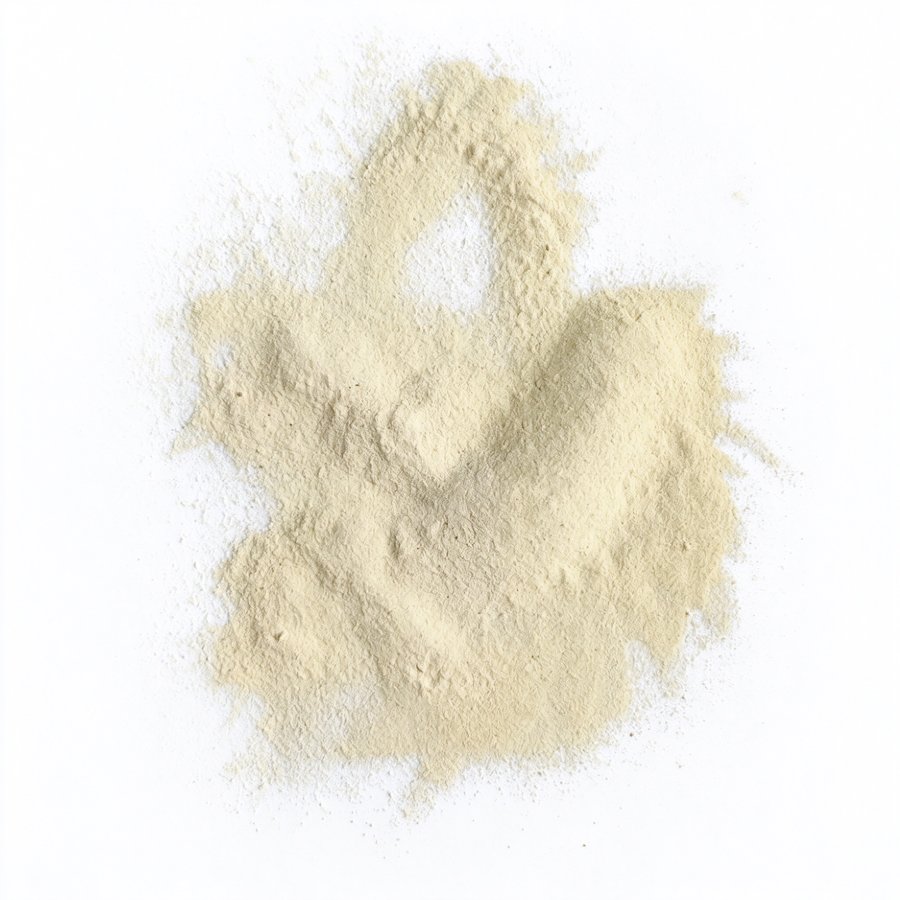
Chlorantraniliprole 35% WG
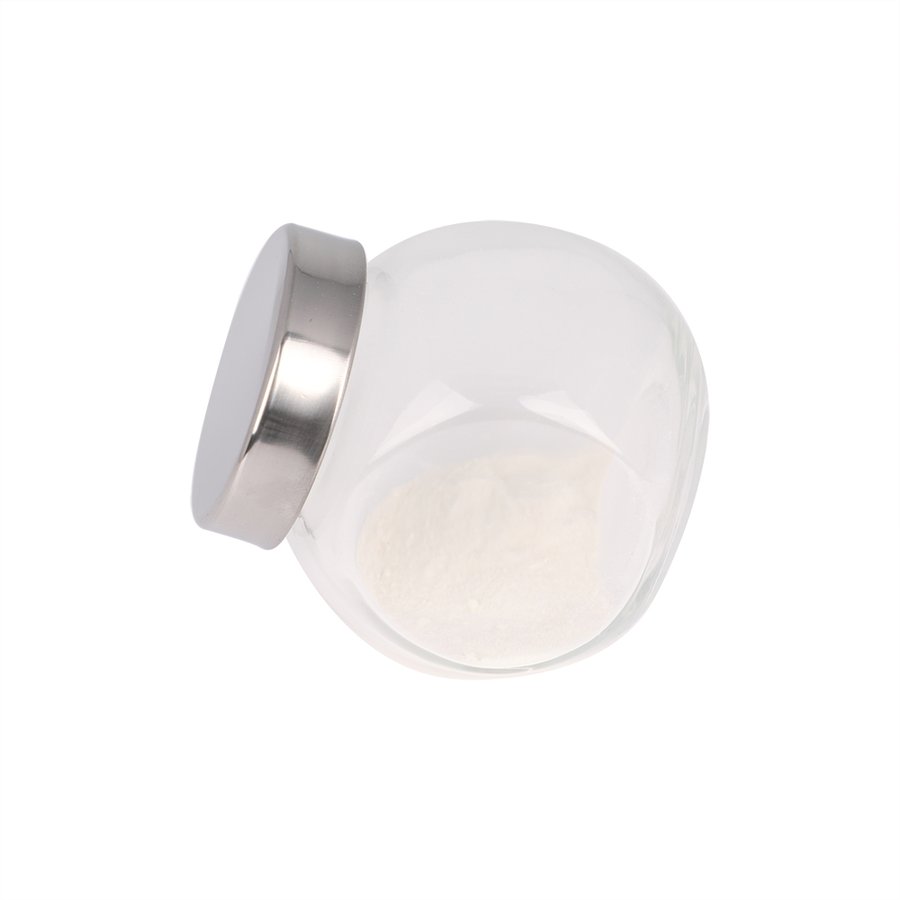
Abamectin 1.8% EC
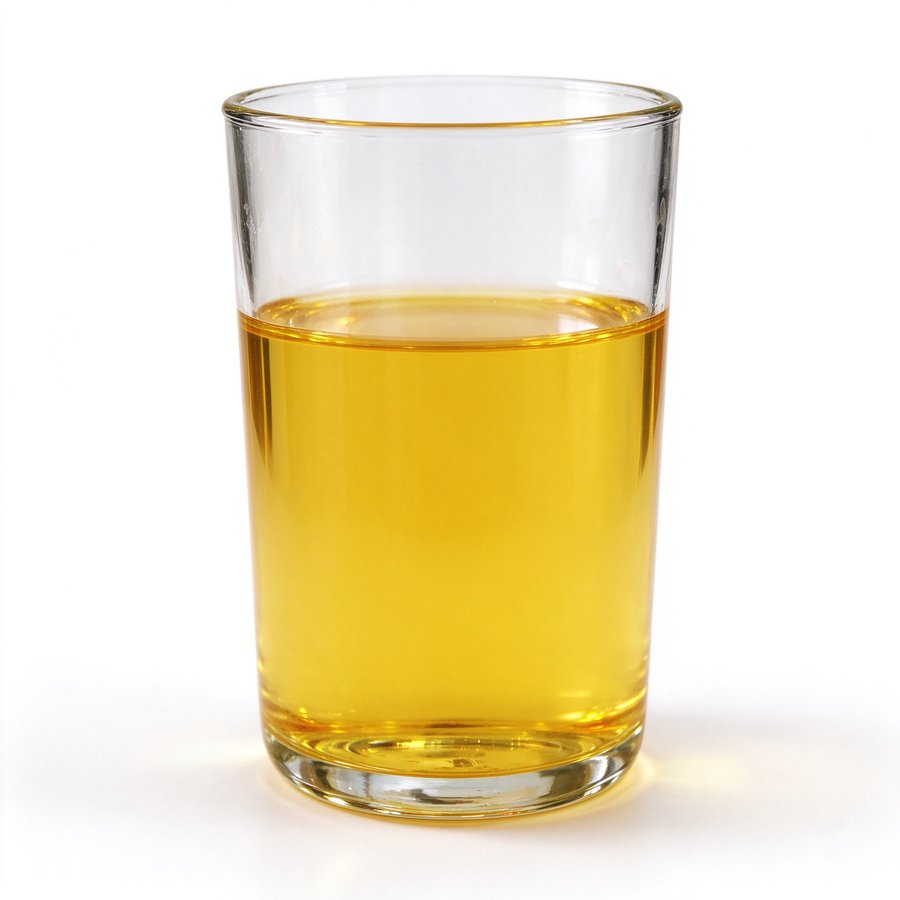
Acetamiprid
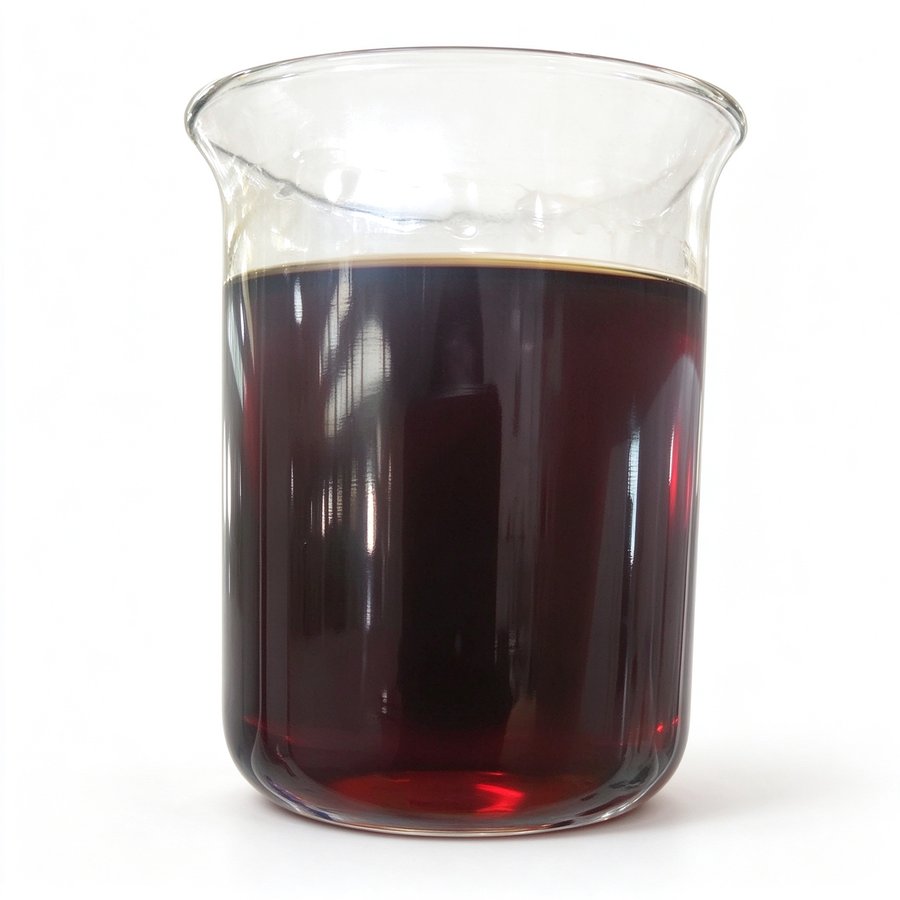
Azadirachtin 0.3% EC
Bacillus thuringiensis 16000IU-mg WP
Bendiocarb
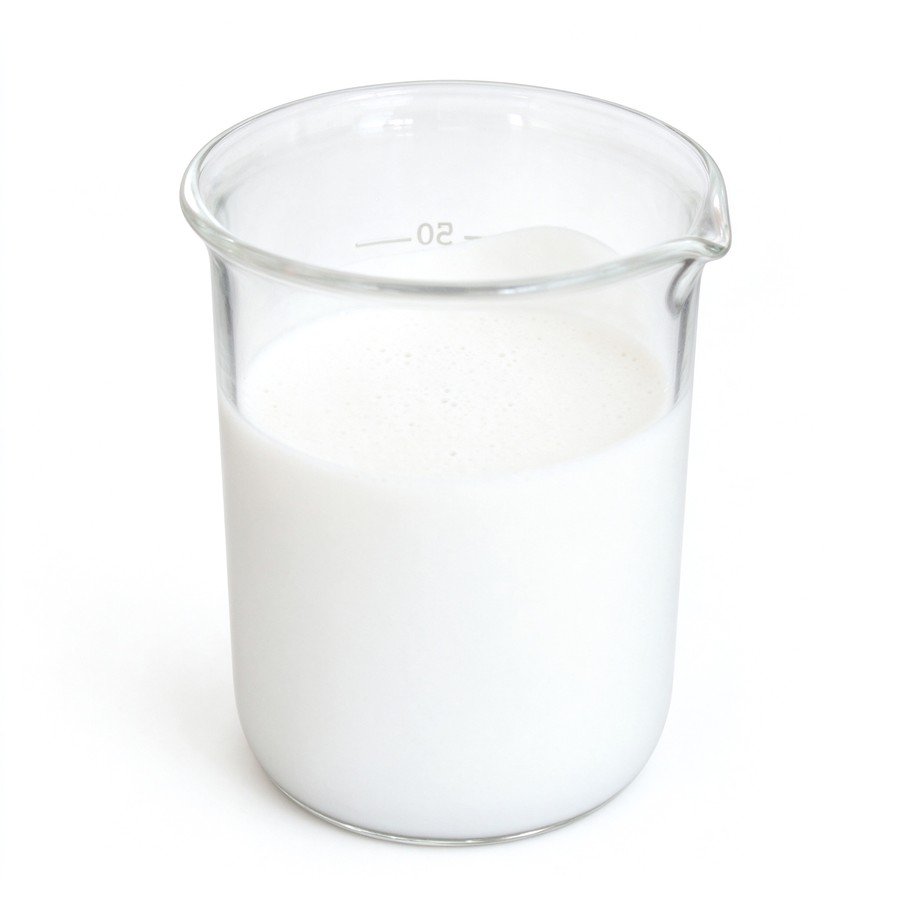
Chlorantraniliprole 200g/L SC
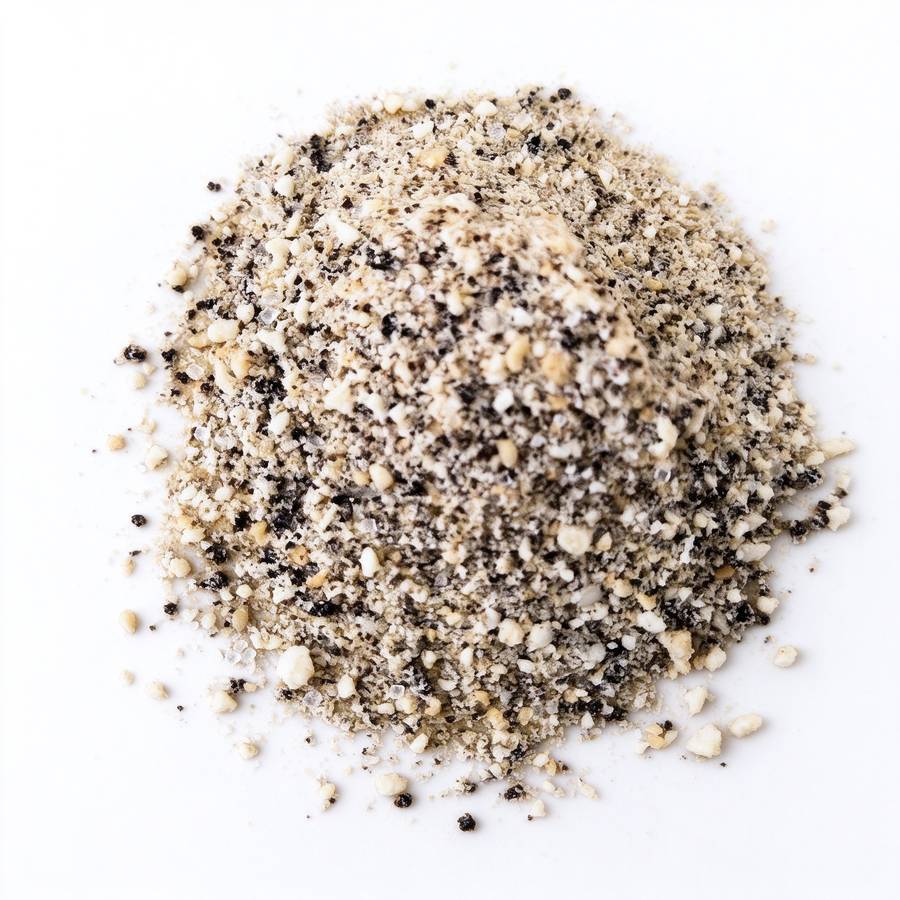
Chlorpyrifos 50% EC
clothianidin 50%WG
clothianidin 600g/L FS
Deltamethrin
Diazinon 60% EC
Dichlorvos 500 g-L EC
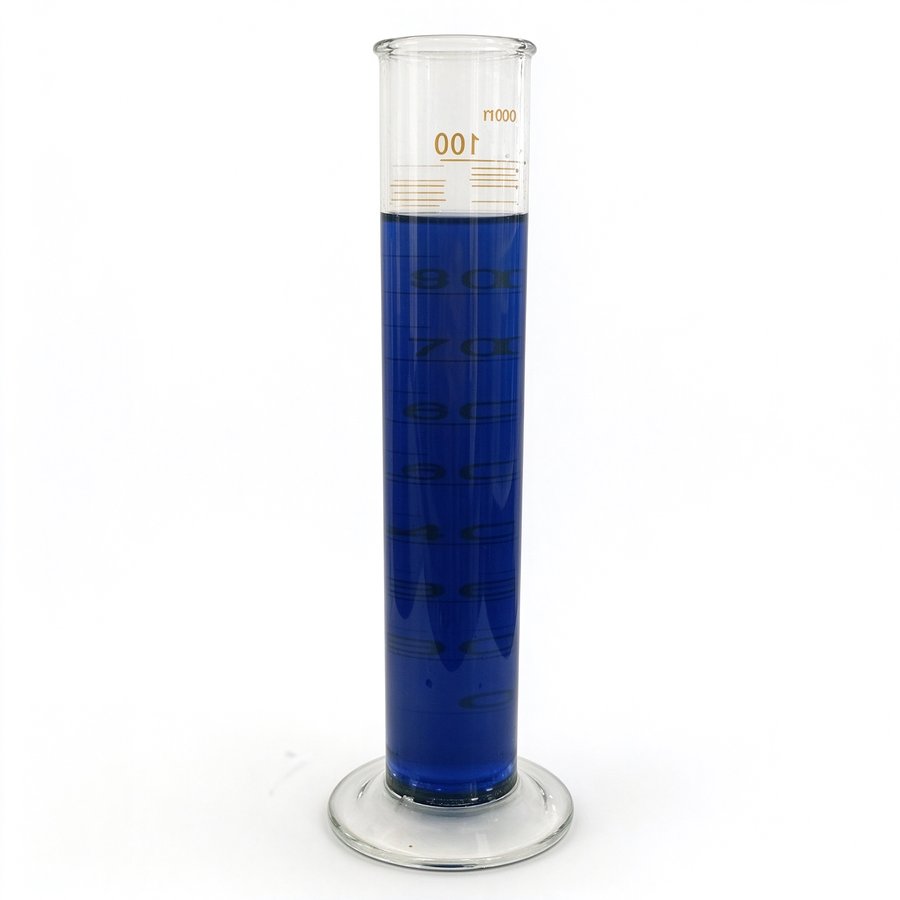
Dimethoate 40% EC
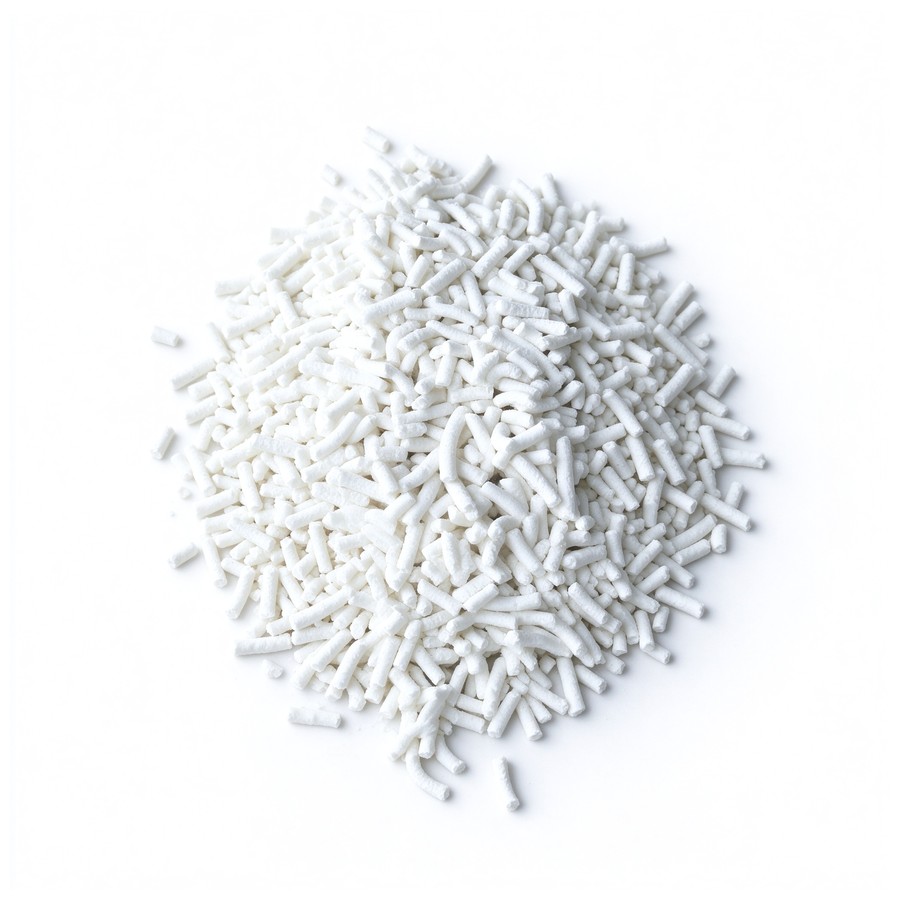
Emamectin Benzoate 5.7% WG
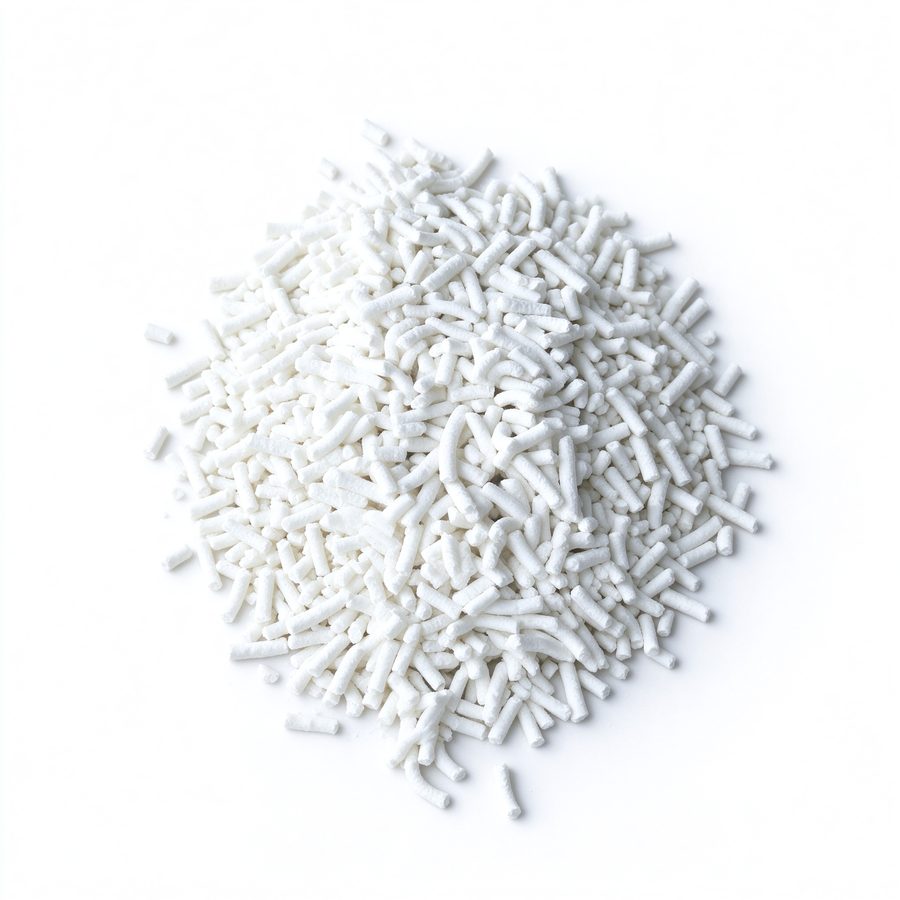
Emamectin Benzoate 1.9% EC
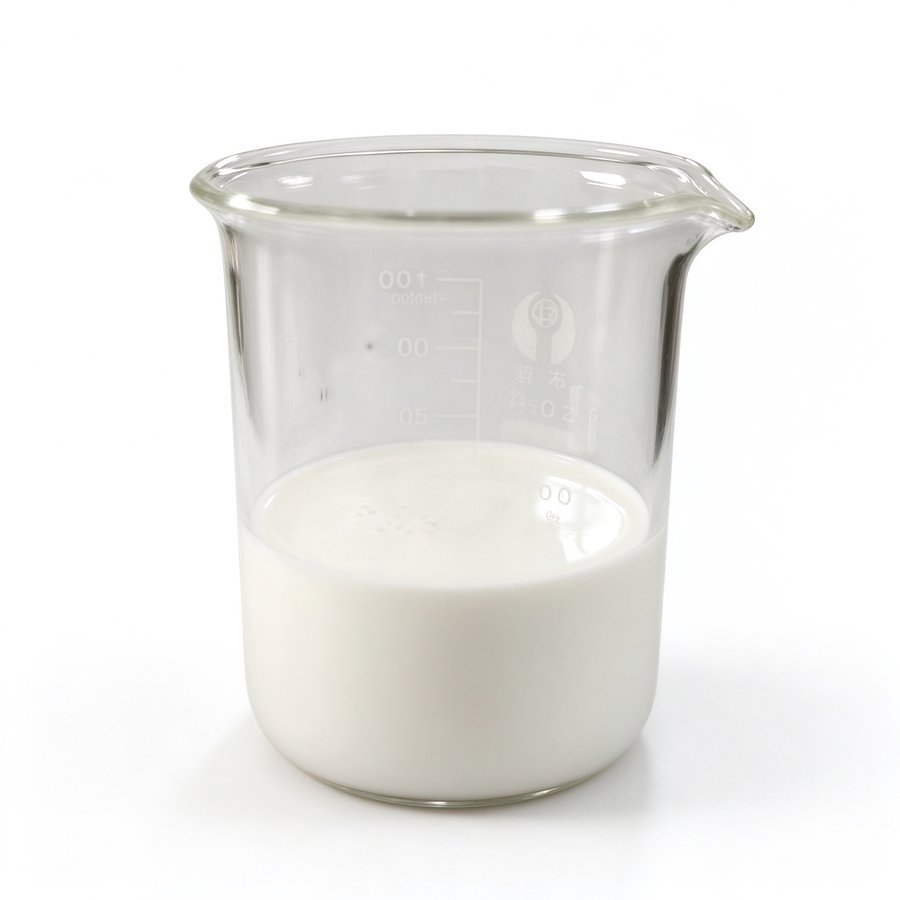
Imidacloprid 30.5% SC
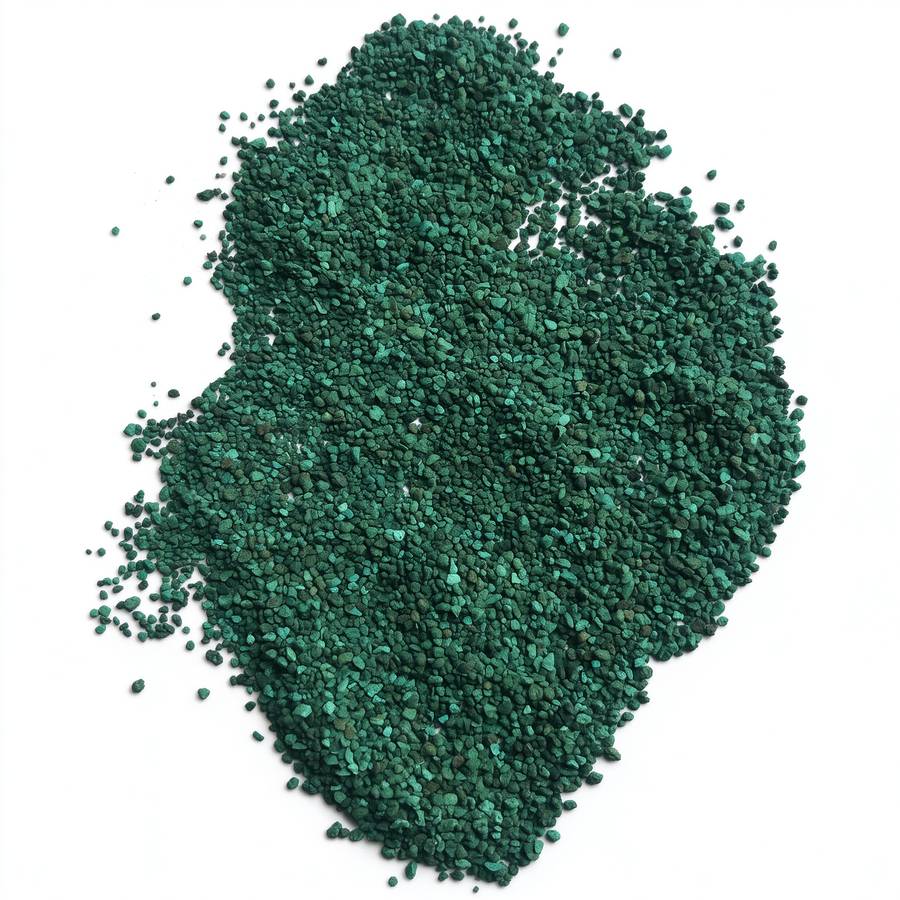
Oxamyl 10% GR
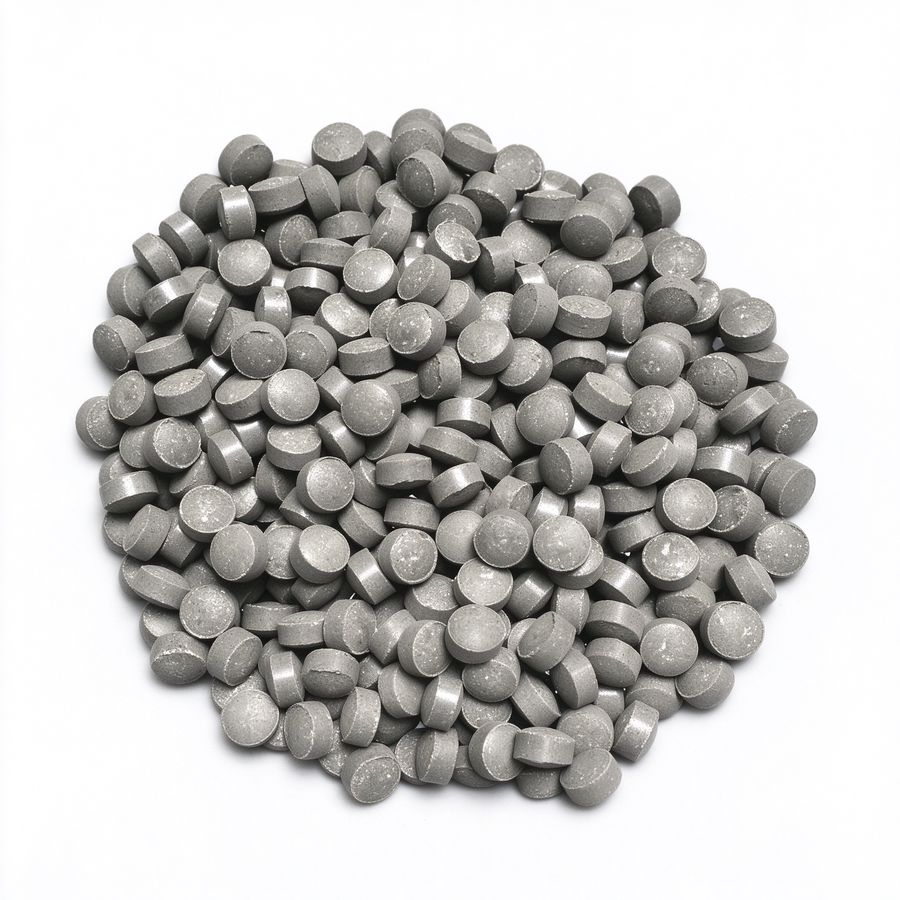
Aluminium Phosphide 56% TB
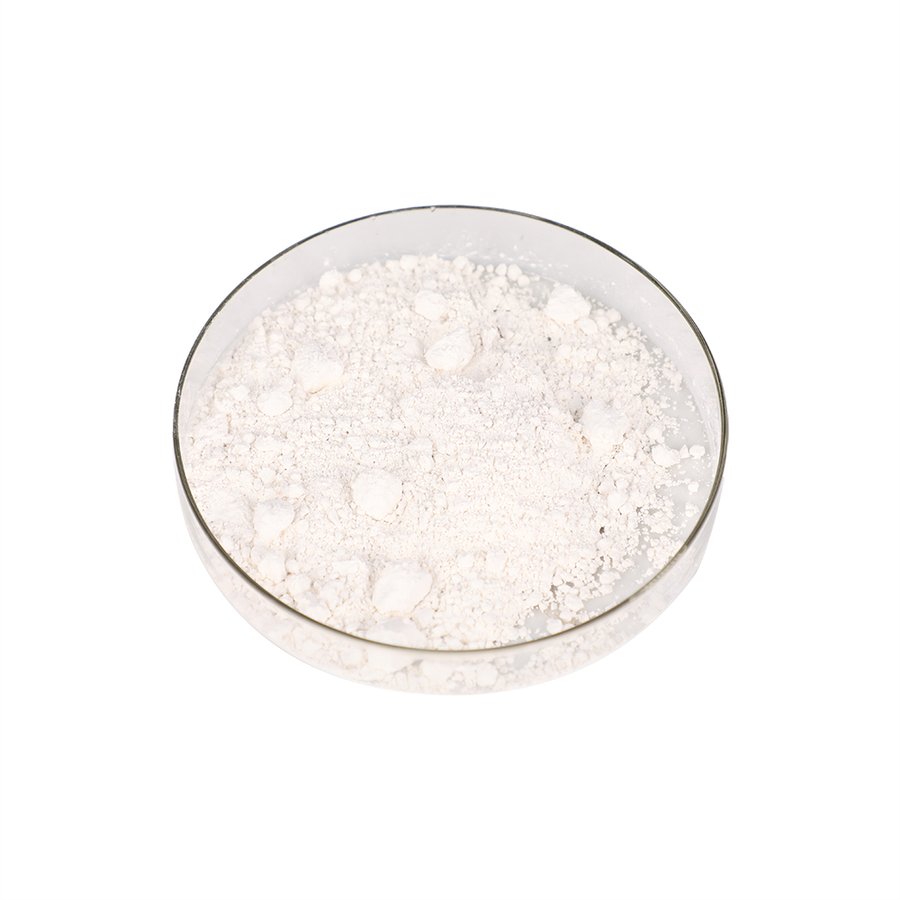
Carbaryl 85% WP
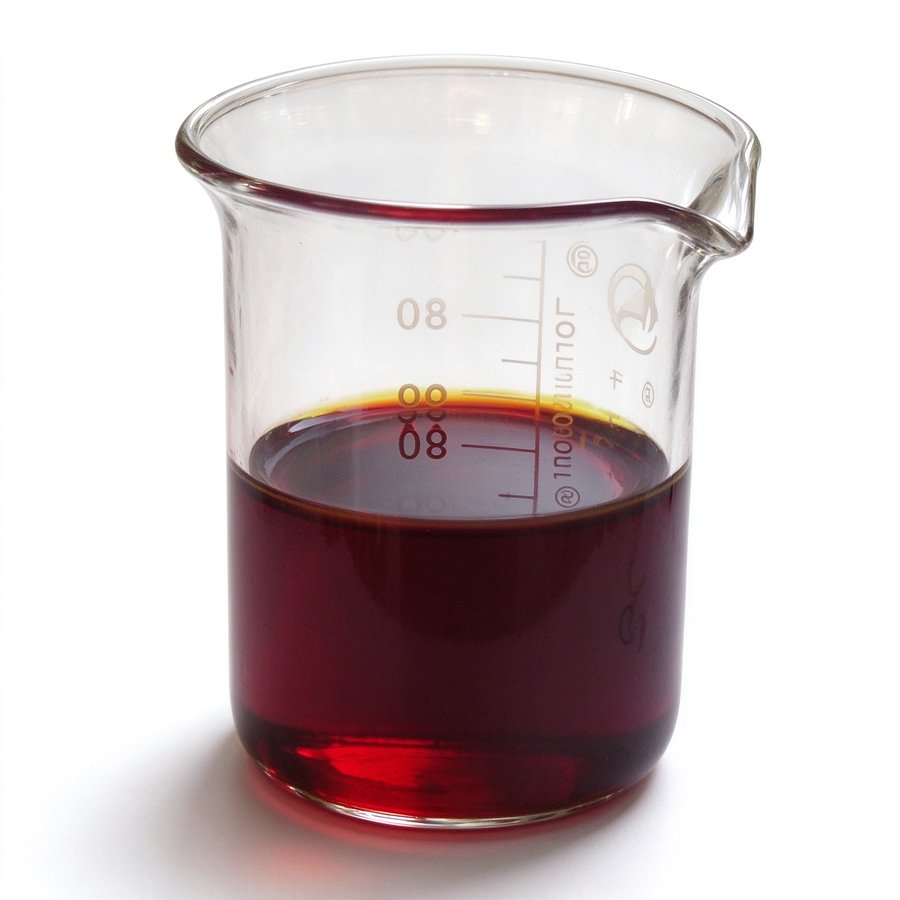
Niclosamide 25% EC
Oxamyl 240 g/L SL
Why distributors buy insecticides from Bosman
Toxicity classification handled properly
WHO class, GHS pictograms and, for restricted actives, the export notification your customs authority expects.
Formulation stability tested
Accelerated storage data on emulsion stability, persistent foam and cold test, so the product survives a tropical warehouse.
Packing matched to the market
Co-ex bottles, twin-neck, sachets, 1 L to 20 L jerricans, 200 L drums — whatever your registration file assumes.
Counterfeit and diversion controls
Batch numbering and private-label packing, so your branded goods do not reappear in a parallel market.
Insecticide sourcing questions
Do you supply restricted or highly toxic actives?
Can you supply small quantities for field trials?
Are biological insecticides available?
What is the shelf life and how is it documented?
Send the pest and the crop
We will name the actives that are registered or registrable in your market, with formulations, packing and indicative pricing.
Request a Quotation